

Degrees, Days, Hours and Millimeters: the negociants of vintage variation
When contrasts are drawn between the Niagara wine region and some others, “vintage variation” is a frequent theme.
This is considered a cool climate region, so typically we would expect Niagara’s wines to exhibit consistent cool climate characteristics. However, this region can also deliver warm climate factors, or combinations of both. Fluctuations in temperature, precipitation, sunlight and the lengths of hot, cold, wet and dry spells leave imprints on vinifera vines, their fruit, and ultimately their wine.
Fortunately, weather extremes are not so common in Niagara as they are in some other global wine regions. Given typical local conditions, wineries here can source good grapes from just about any season. When extremes do happen, most can be mitigated.
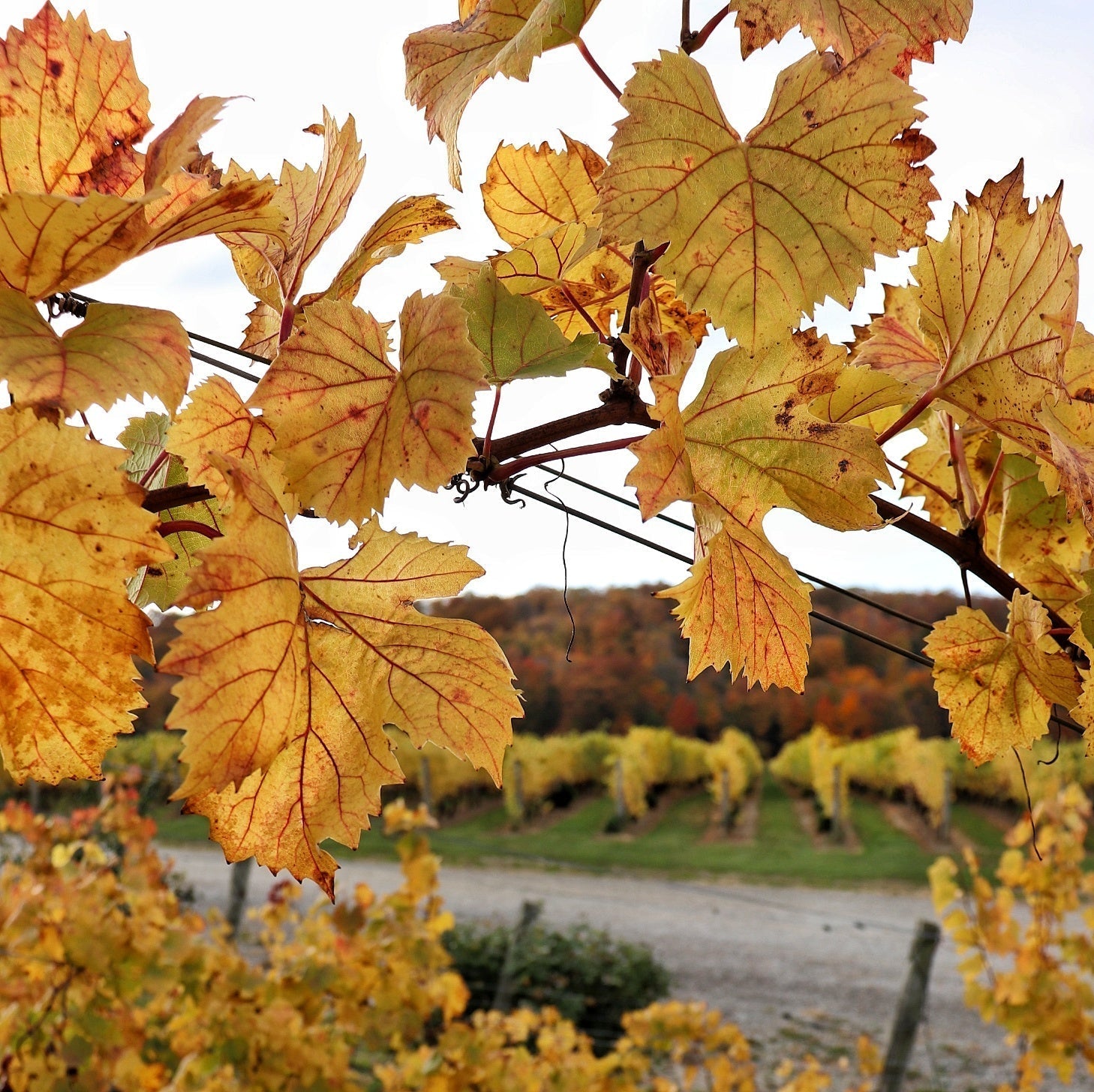
Leaf canopies can be thinned when grapes want sunlight or can be swelled to protect them. Niagara’s water-retaining, clay-infused soils can moderate the effects of drought. The threat of extreme winter cold can be addressed by planting on elevated places that shed cold air to lower ground. Nevertheless, hailstorms, excessive rain, early frost, or those deep winter freezes we experience once every several years, always have repercussions.
While some vintage climates require less cost and labour to manage, from a wine enjoyment point of view there is no such thing as “ideal” conditions. Some memorable wines have come from mixed-weather years, thanks in part to weather’s speed bumps; the pinot noirs from 2009 and 2019 are examples.
Early educated guessing identifies deep colours and resounding fruit flavours as likely characteristics of this year’s wines. Still, there’s something to be said for a region whose changeable conditions produce wines that eschew predictability. It’s part of the charm of Niagara’s identity.