

VINEYARDS & PRODUCTION
Growing Since 1995
Our Vineyards
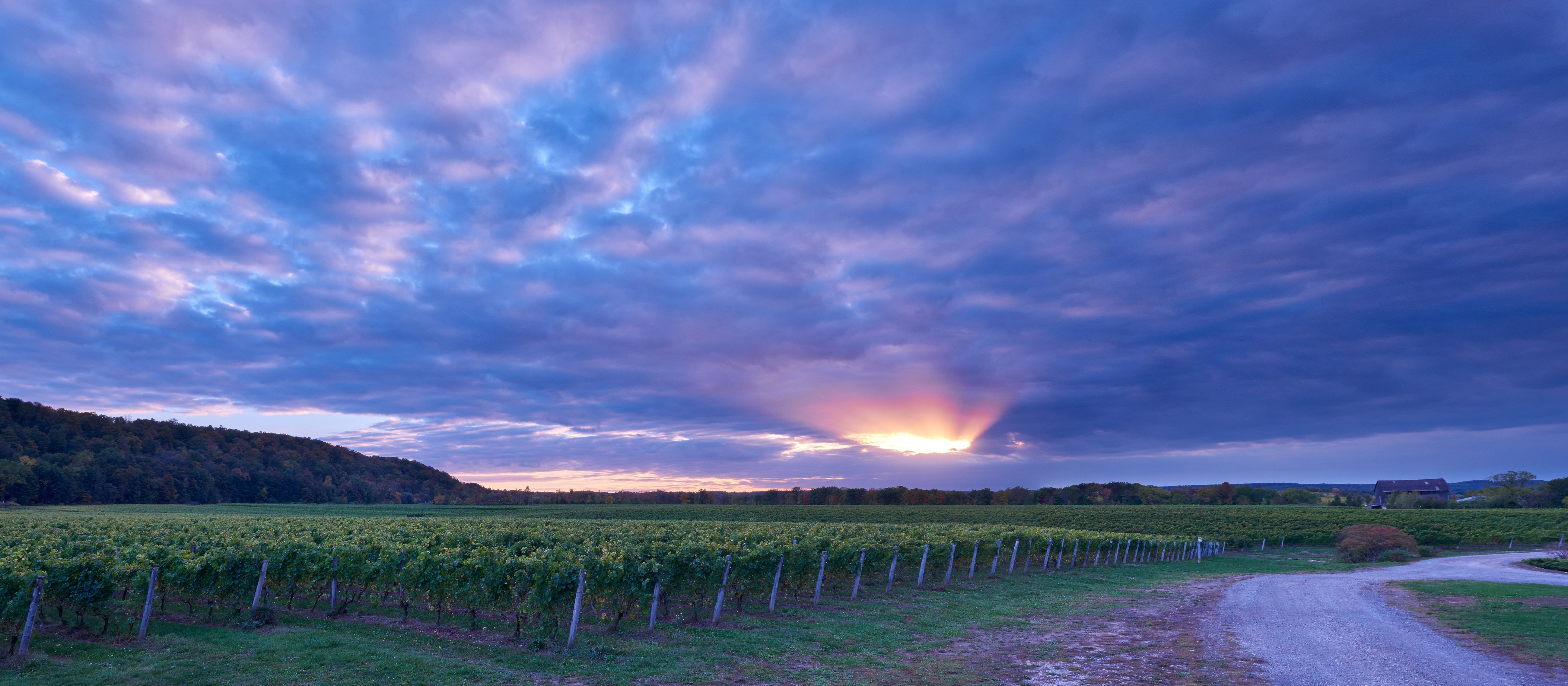
Malivoire farms several vineyards within the Niagara Escarpment Viticultural Area. We currently draw the largest share of its grapes from several vineyards comprising a combined 40 hectares. These are located within the Beamsville Bench, Lincoln Lakeshore, Vinemount Ridge and Twenty Mile Bench Sub-designated Viticultural Areas, which lie within the Niagara Peninsula’s Niagara Escarpment Subappellation.
Moira Vineyard
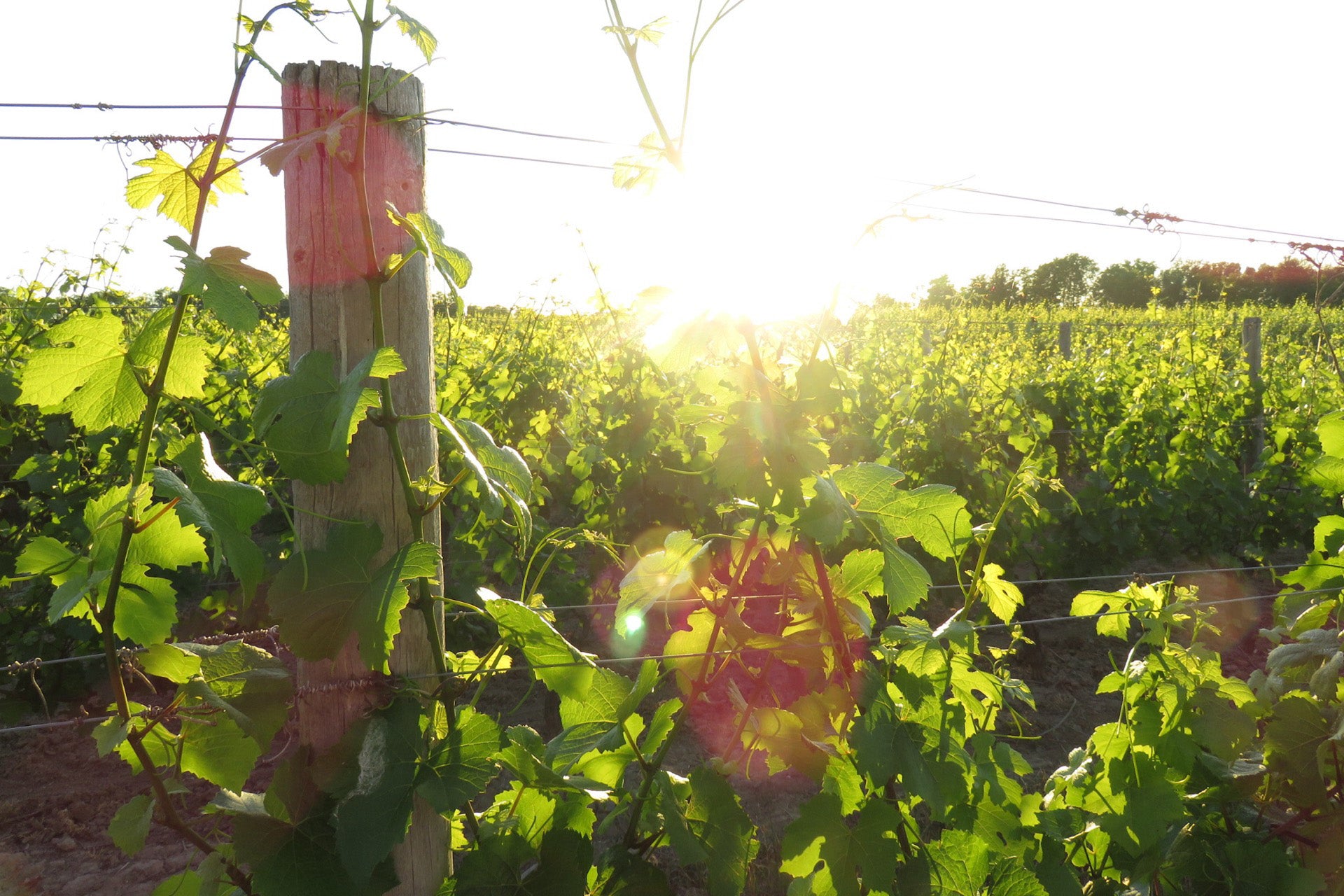
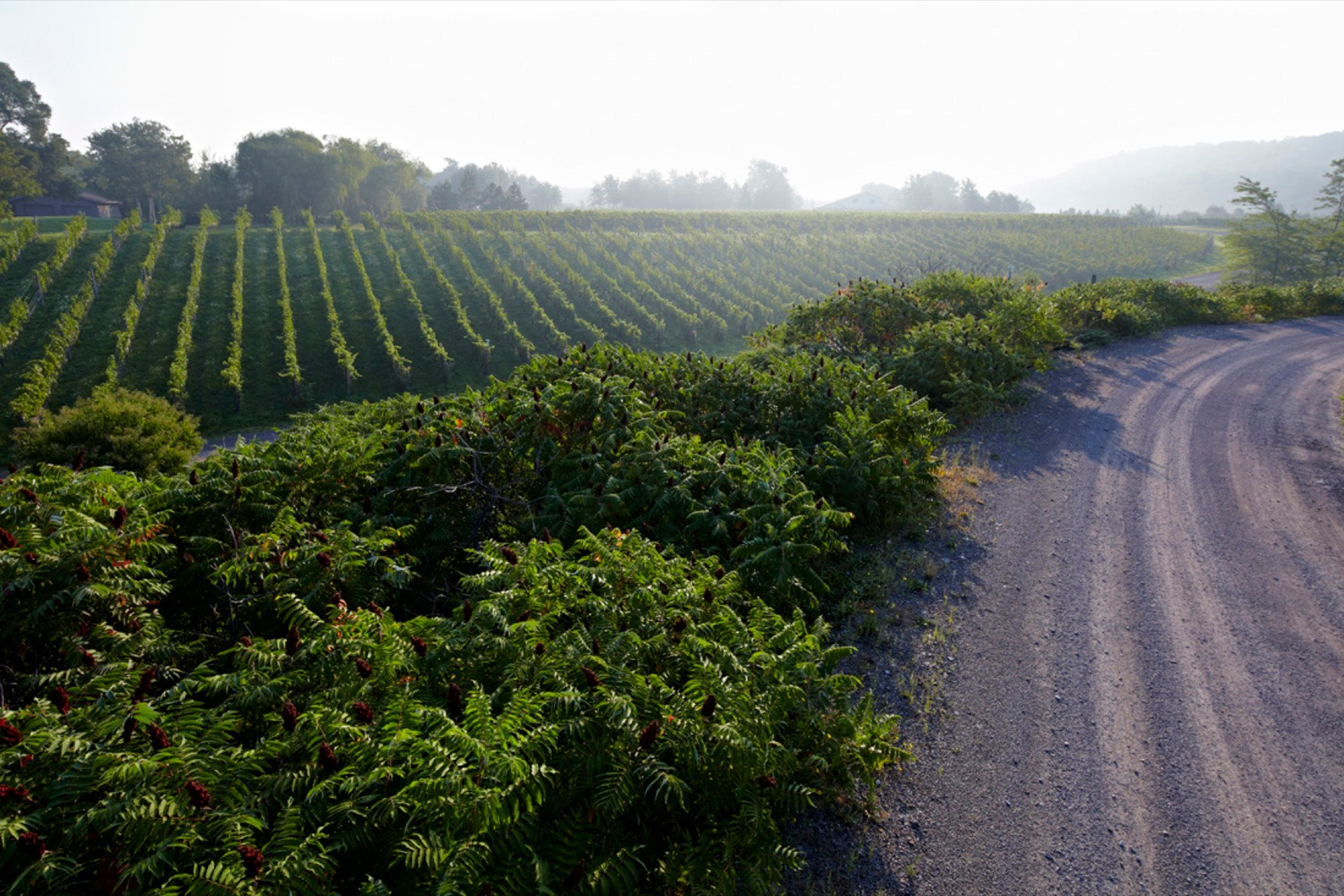
The birthplace of Malivoire’s original wines is the Moira Vineyard, purchased on the Beamsville Bench in 1995. So taken was Martin by its breathtaking escarpment scenery, he also made it his home. With excellent drainage and a low water table, the Moira Vineyard is distinguished by vines whose deep roots ensure robust health and vigorous fruit acidity.
Estate Vineyard
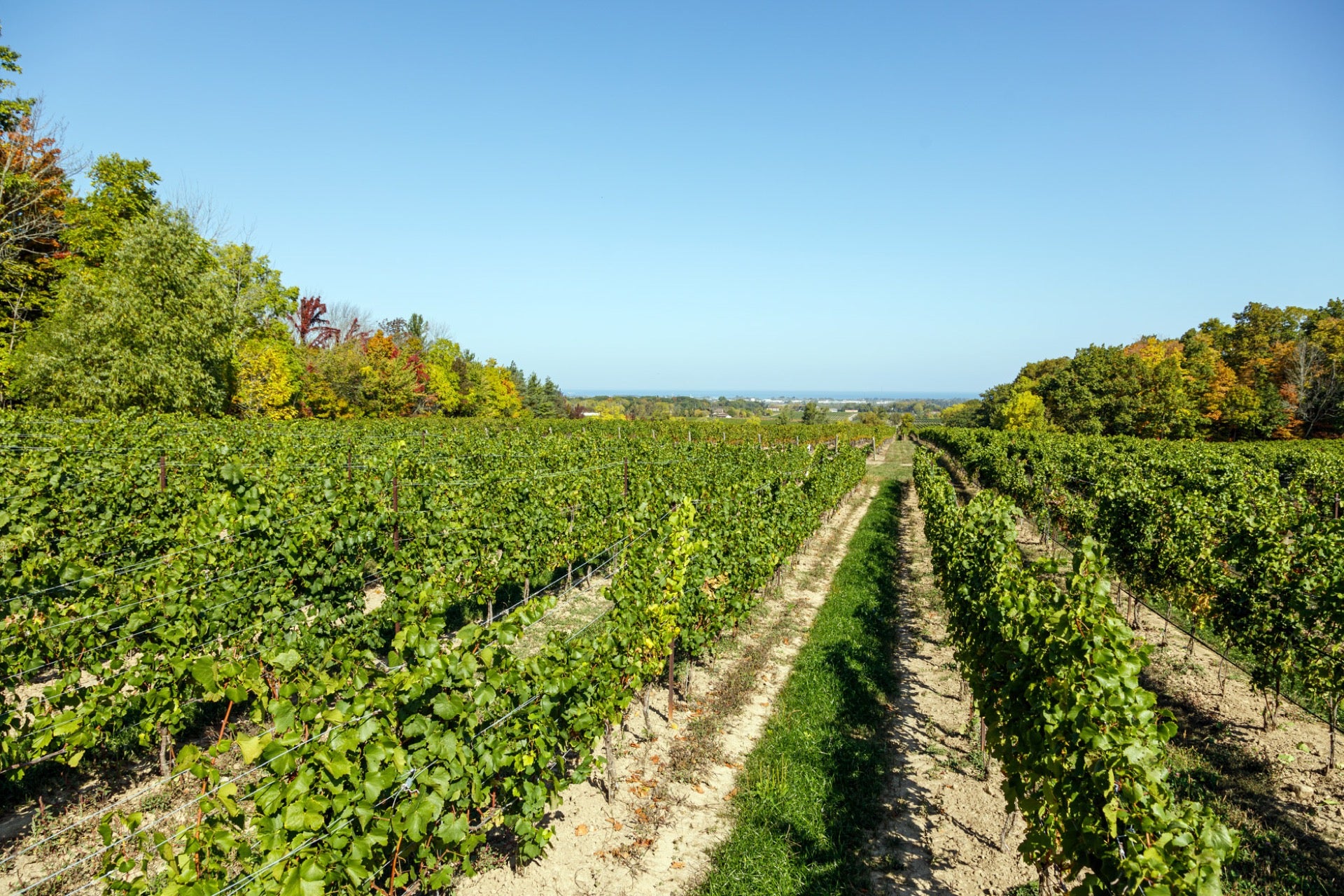
The Moira Vineyard’s 6 planted hectares was Malivoire’s springboard, but more acreage would be needed for fledgling winery to expand. The answer came the following year when Martin acquired another farm not far away. Occupying 13 hectares on the Bench, this became the site of Martin’s winery and Estate Vineyard. Located on a glacial moraine rising as high as 30 metres above the lakeshore plain, and resting under a dominant escarpment, it offers its vines superior airflow and water drainage.
Mottiar Vineyard
Two kilometers west of the winery, perched atop a high moraine ridge lies the Mottiar Vineyard, the property of Malivoire Winemaker Shiraz Mottiar. This three hectare site, because of its higher elevation, is typically cooler than our other farms and yields fruit with distinctive minerality.
Malivoire has established long standing relationships with a core group of quality focussed grape growers, all certified sustainable. Some of these grapes make their way into single vineyard wines, while others become the foundation of some of our most popular and consistent wines.
They include:
Wismer Vineyards, managed by the Wismer family, the most well known grower family on the Twenty Mile Bench. The Wismer-Foxcroft Vineyard supplies us with a quarter of our gamay grapes.
Quarry Ridge sits at the brow of the escarpment in the Vinemount Ridge sub-appellation and grows our Old Vines Foch, planted in 1972 by hand by then kid brothers Robin and Stuart Reimer, who still tend their farm.
The Keczan Farm is run by family matriarch Judith Keczan. Her connection to nature is evident in the gamay and cabernet franc she grows for us.
Huebel Grape Estates is situated in Niagara-on-the-Lake, run by the formidable Oppenlaender family and provides gamay and seyval blanc.
The Stouck Estate Vineyard, like Keczan is also just north of King Street in the Lincoln Lakeshore, is run by longtime Malivoire Cellar Master Dan Stouck, who draws the best from his red-hued soil via viognier, cabernet franc and merlot.
Genova and Ianello Vineyards are both managed by the Malivoire Viticulture Team and each has gamay and cabernet franc planted. Genova lies in the Vinemount Ridge, just west of Quarry Ridge while Ianello is on the ‘upper-bench- of the Twenty MIle Bench.
We acknowledge the land on which we farm and work is the traditional territory of the Haudenosaunee and Anishinaabe peoples, many of whom continue to live and work here today. We would like to pay our respects to elders past and present. This territory is covered by the Between the Lakes Treaty No. 3 (1792) and is within the land protected by the Dish With One Spoon Wampum agreement. Today this place is home to many First Nations, Metis, and Inuit peoples and acknowledging this reminds us that our great standard of living is directly related to the gift of resources and friendship of Indigenous people. Recognizing our connection, and dependence on our environment, we intend to continue to respect and care for this land in the spirit of Indigenous teachings.”

Innovation + Tradition
Production
Malivoire is a blend of innovative thinking with respect for tradition.
We are receptive to new practices and tools to improve our wine while remaining wedded to the concept of wine as a natural product. We take a long-term view of our vineyard farms; recognizing the winery and vineyard as a wholistic system. The health of the entire entity is our responsibility. We recognize the crucial role we play in protecting the health and well-being of our staff working in the vineyard, winery and our neighbours and community at large.
Our early literature described Malivoire as blending innovative thinking with respect for tradition. Looking back, this definition has stood the test of time.
SOME OF OUR FARMING & PRODUCTION PRACTICES
Reduction & Elimination of Synthetic Inputs
We continue to reduce and eliminate synthetic inputs in the vineyard and winery when facing vineyard challenges. While effective in the short term, synthetics cause long-term complications. If we can meet natural obstacles effectively with natural solutions, our vineyards will thrive without causing deterioration to their surrounding habitat; a gentle touch helps maintain soil stability and fertility and allows us to promote biodiversity and a healthy living vineyard that protects wildlife habitat.
Water Conservation
We conserve water and energy in both the vineyard and winery recognizing the vital importance of our natural resources.
Hand Harvesting and Sorting
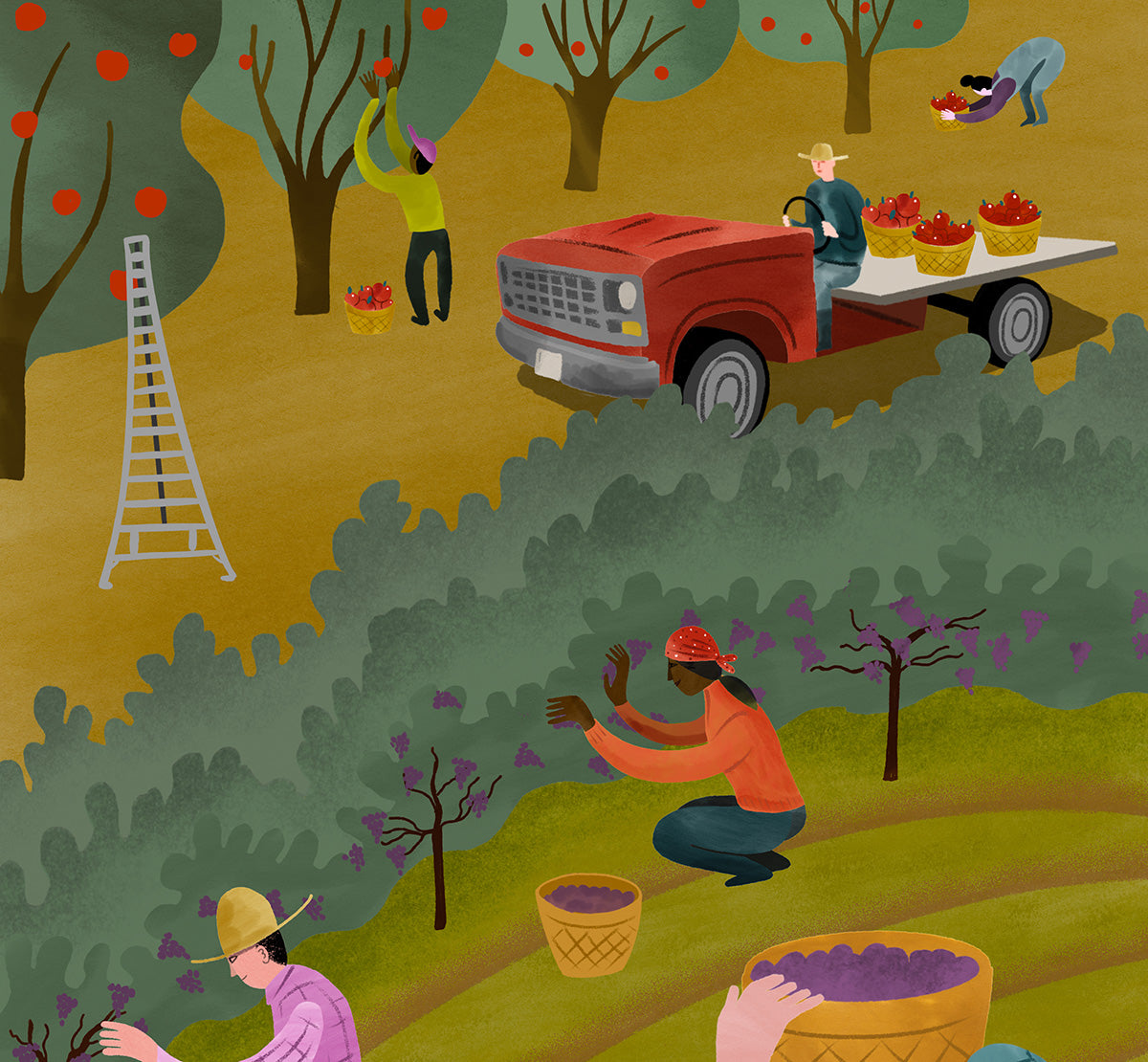
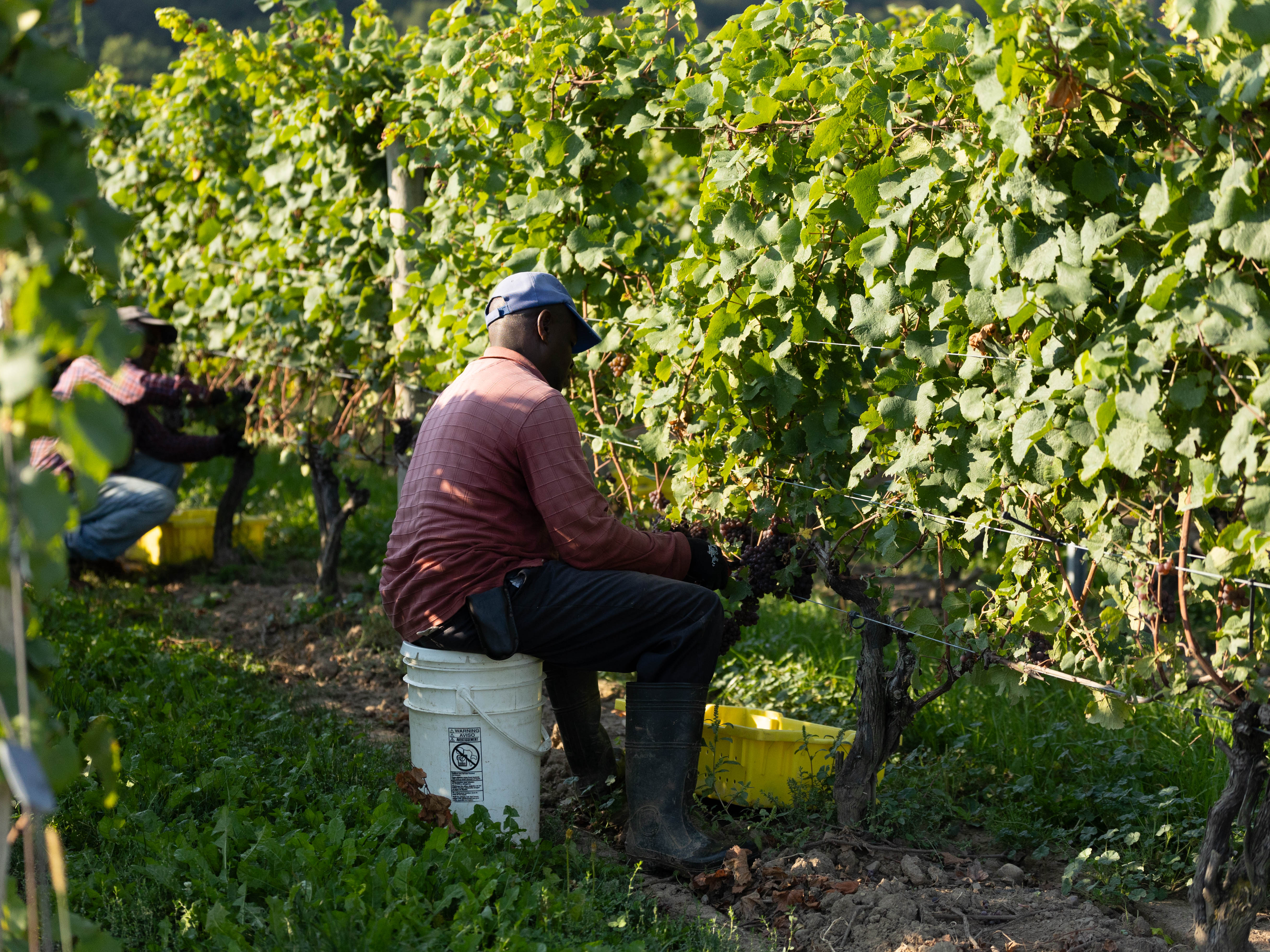
Our vineyards are hand-picked. When fruit is hand-picked, our experienced vineyard team inspects each cluster in the vineyard, a practice that ensures only the healthiest fruit makes it to the winery. Like the efforts we make with gravity's gentle process to minimize juice oxidation, hand-picked clusters also arrive at the crush pad with minimal oxidation.
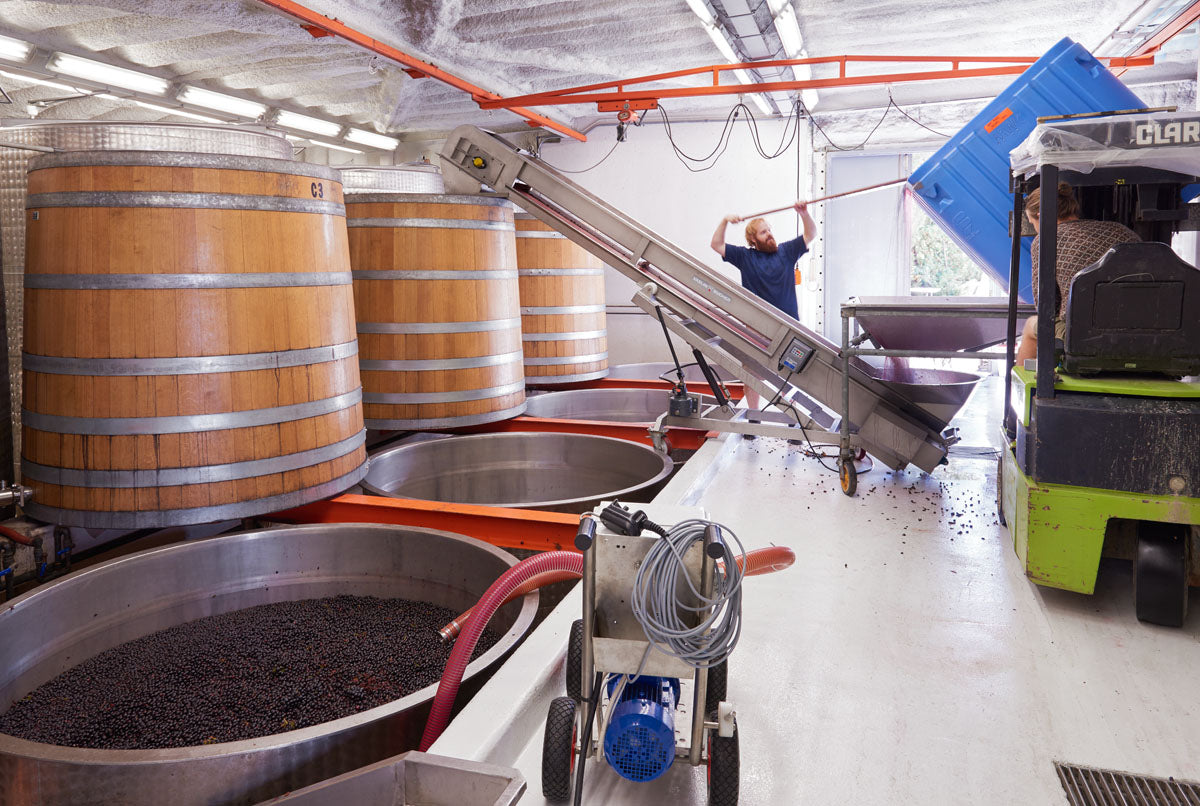
That same dedication to fruit quality carries through at the winery. Each hand-harvested cluster passes by our winemakers on the vibrating sorting table, which shakes out any material other than the grapes, while the winemaking team permits only the best fruit to make it through. If fruit from our Estate vineyard is machine-harvested, it's destemmed on its way in, and goes through its own sorting before reaching the tank.
Energy Conservation
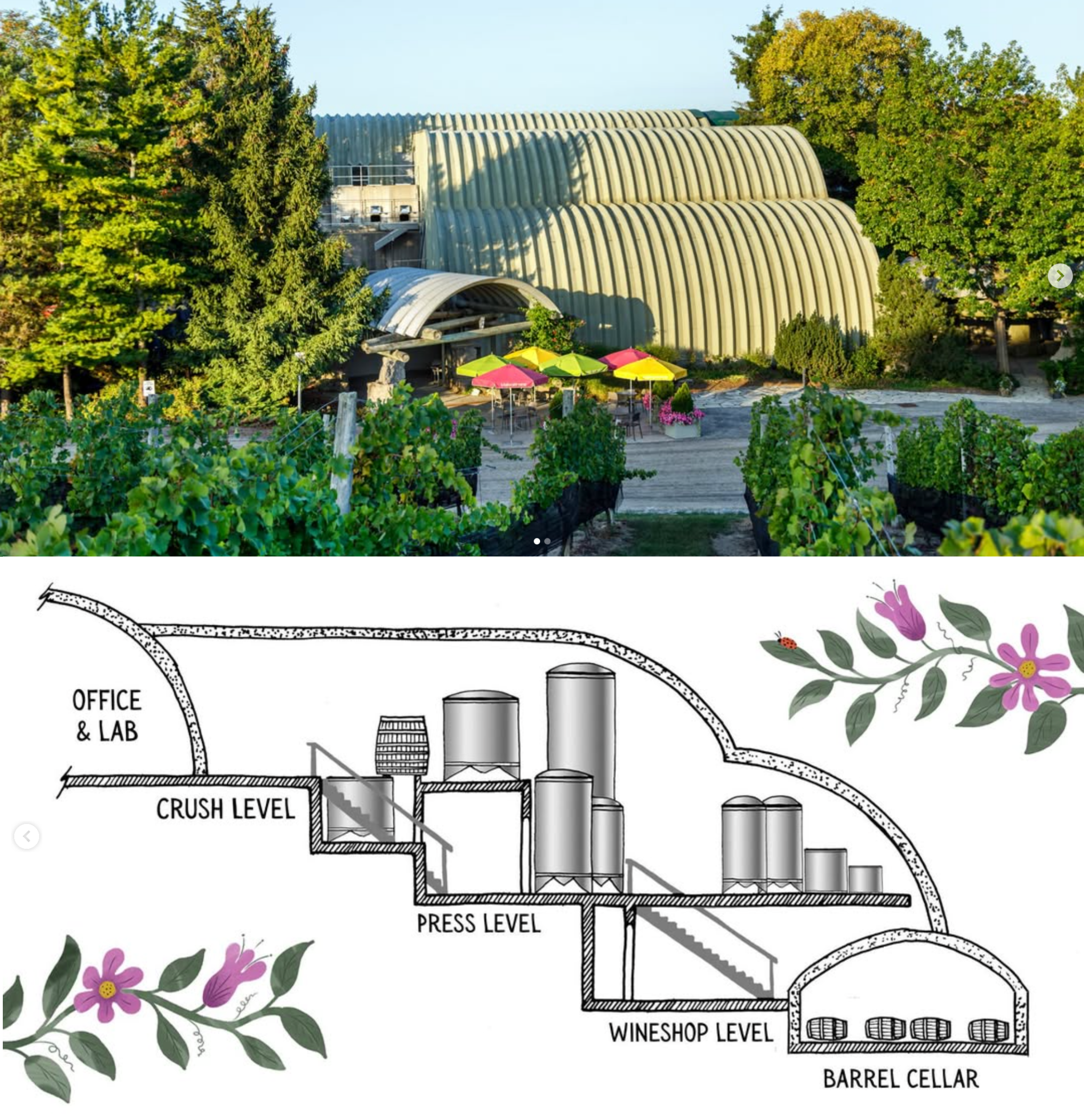
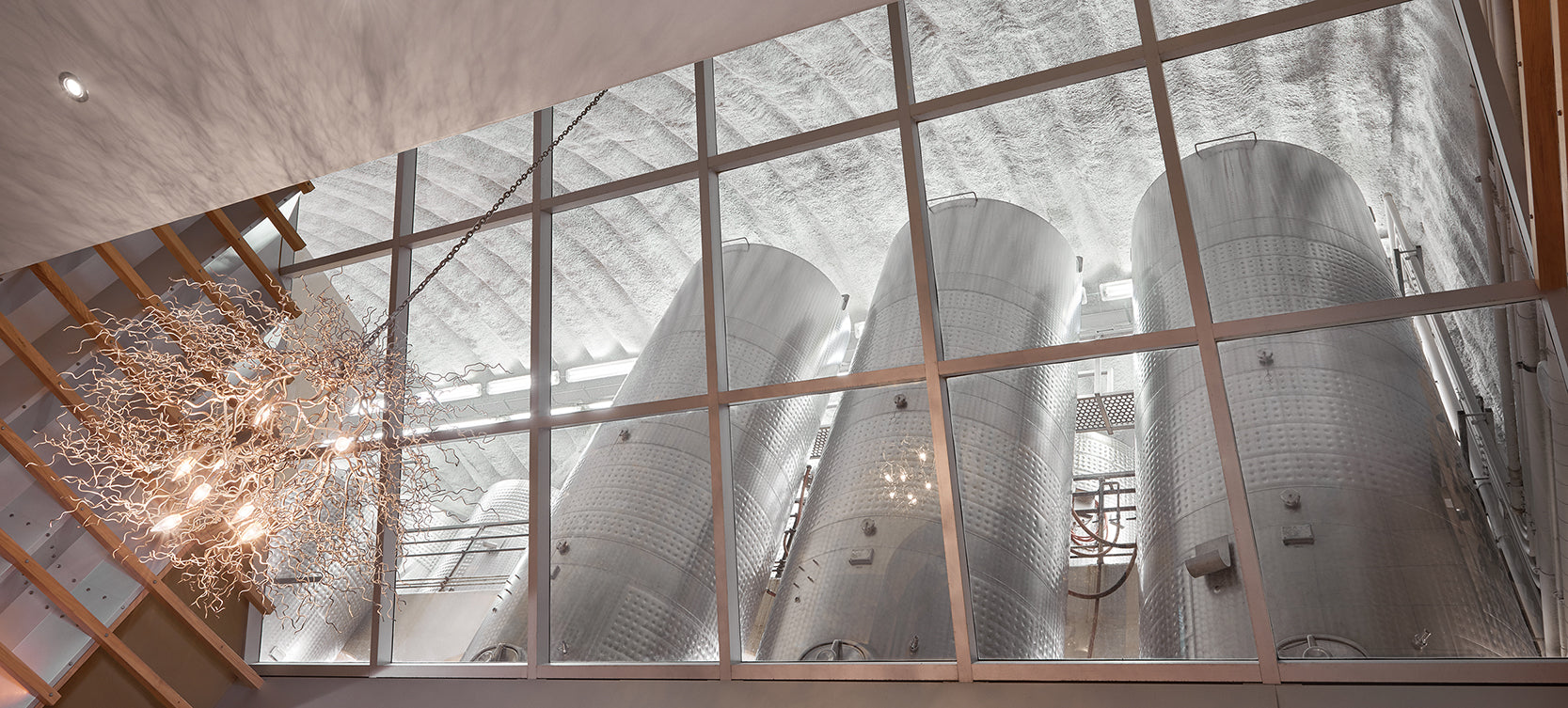
We were the first winery in Ontario to employ the technique of gravity flow. It involves the gentle movement of grape juice and wine through various stages of the winemaking process, relying on the natural force of gravity rather than mechanical pumps. This method minimizes agitation and oxidation, preserving the delicate flavours and aromas of the wine, resulting in higher quality and more nuanced wines, and, of course, reduces energy consumption.
In another effort to reduce energy consumption, our barrel cellar is half-embedded in the ground beside our winery, optimizing the moderating influence of the earth which cools the cellar in summer and warms it in winter. The roof, exposed in the winter, absorbs heat from the sun’s reflection to warm the interior.
Eco-conscious Packaging
We continue to develop our overall packaging program, including corks, bottles and packaging materials, to contribute to a greener future, and through our 'Take Back the Pack' program, we ensure the responsible reuse of materials.

Taste Trust Guarantee
We want you to be 100% happy with our wine. We offer a money-back guarantee!

Sustainable Winemaking
We are proud to be Certified under Ontario’s Sustainable Winemaking Program

Visit Malivoire
We are located on the Niagara Bench in Beamsville, ON and are open 7 days a week